Keynote Speakers
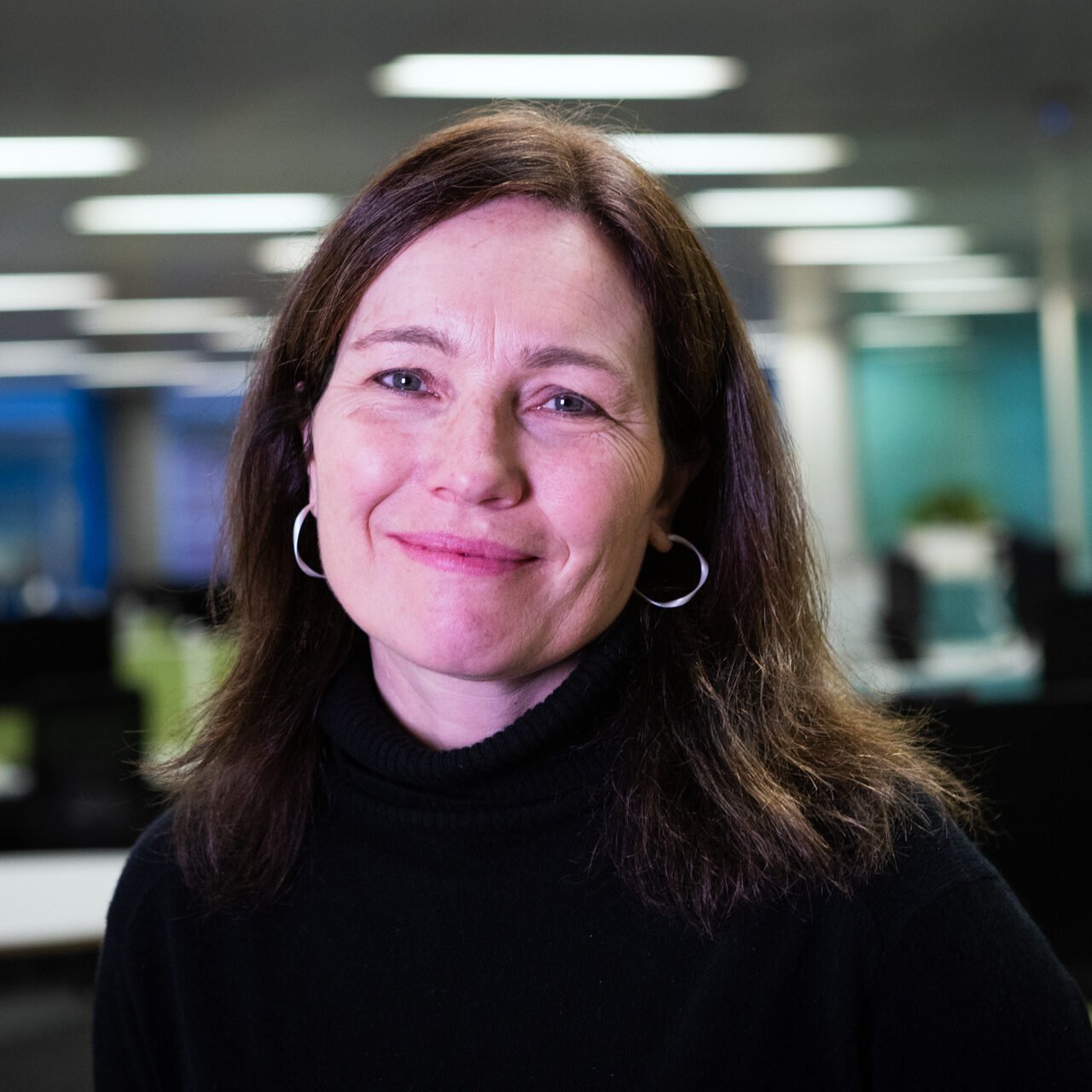
The final frontier – How to get Digital Twins into Clinics
Dr Alice Byram — Clinician, Digital Health Leader & President, Digital Health Section at the Royal Society of Medicine
Dr Alice Byram is a physician and digital-health leader with more than two decades of combined Emergency Medicine and Family Medicine experience. Her frontline clinical career has shaped her belief that digital transformation must be grounded in real-world clinical needs and the lived realities of patient care.
As President of the Digital Health Section at the Royal Society of Medicine in London, she leads work on the future of digital twins in healthcare—bringing together clinicians, engineers, policymakers, and industry to advance safe, ethical, and clinically meaningful innovation. She also leads the Royal Society of Medicine Community for Health Equity, a cross-sector collaboration uniting industry, clinicians, government, patients, carers, and charities to drive equitable approaches to health.
Cambridge-educated, she has trained extensively in Barcelona, Spain, and Berlin, Germany, giving her a global perspective on how health systems differ and how digital tools must adapt to diverse cultural and organisational contexts.
Dr Byram has served as a Chief Medical Officer and held multiple advisory roles supporting health-tech innovators. Her work spans clinical risk modelling, patient engagement in digital ecosystems, and guiding organisations on how to integrate emerging technologies safely and meaningfully within care pathways.
Her mission is to ensure that digital tools, including digital twins, strengthen clinical decision-making, promote health equity, and build trust between technology and the people who rely on it.
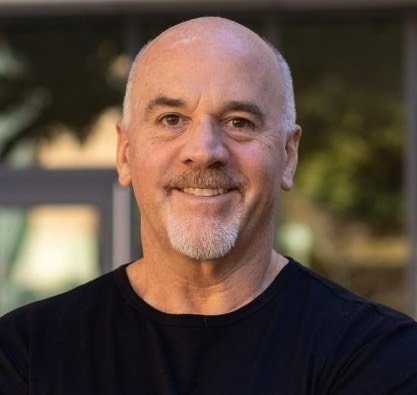
Biomedical Digital Twins for Heart Disease: From Bench to Business to Bedside
Dr Charles Taylor, PhD — Professor, Department of Internal Medicine; A.A “Tex” Moncrief, Jr., Chair in Computational Medicine, Oden Institute for Computational Engineering & Sciences; Director, Center for Computational Medicine, UT Austin
Dr. Taylor is the Moncrief Chair in Computational Medicine, Professor of Internal Medicine and Computational Engineering and Sciences and Director of the Center for Computational Medicine at the University of Texas, Austin. Dr. Taylor is also Founder of HeartFlow Inc. where he was Chief Technology Officer then Chief Scientific Officer from 2010 to 2023. Prior to HeartFlow, he was Associate Professor of Bioengineering and Surgery at Stanford University from 1997 to 2010. He is internationally recognized for his pioneering work combining computer simulation, A.I. and medical imaging to aid in the diagnosis and treatment of cardiovascular disease. Dr. Taylor has published over 425 peer-reviewed papers and has over 300 patents. He received B.S., M.S. degrees in Mechanical Engineering and Mathematics from Rensselaer Polytechnic Institute and Ph.D. in Mechanical Engineering from Stanford University. Charles was elected into the U.S. National Academy of Engineering in 2024.
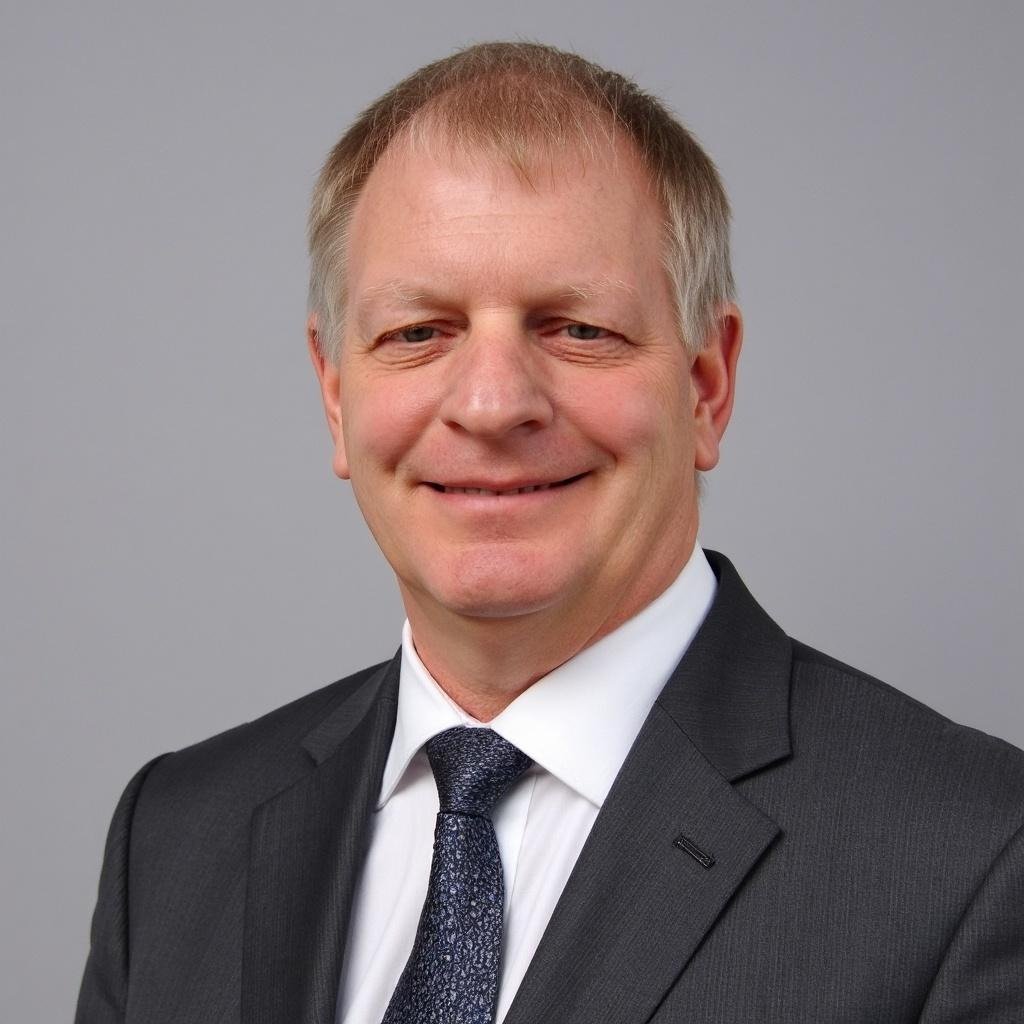
A Global Ecosystem for Medical Digital Twins: Innovation and Collaboration
Dr Eric Stahlberg, PhD, Executive Administrative Director, Institute for Data Science in Oncology, UT MD Anderson Cancer Center
Eric Stahlberg is the executive administrative director for the University of Texas MD Anderson Cancer Center Institute for Data Science in Oncology. Through innovative programs as part of the leading cancer hospital in the US, the institute serves as a catalyst and focal point for cancer team data science efforts, accelerating cancer research and improving cancer care with a priority on patient impact.
Prior to joining MD Anderson in December of 2024, Eric spent 14 years at Frederick National Laboratory for Cancer Research, where he spearheaded efforts to create the National Cancer Institute collaboration with the US Department of Energy in 2016 and bring large-scale AI and HPC to cancer challenges at all levels. While at Frederick National Lab, he also led strategic and data science initiatives to develop key scalable data infrastructure and foster the development of multiple global collaborations around many topics, including drug discovery and the use of digital twins in cancer. He co-led the organization of the Frontiers of Predictive Oncology and Computing meetings in 2016, 2017, and 2018, co-directed the NCI Cancer Digital Twins Idea Lab in 2020, and led efforts for the 2022 Hood College-Frederick National Laboratory for Cancer Researcher Life Sciences Symposium, AI in Cancer Research and Clinical Care: Turning Promise into Reality. He helped to establish the Accelerating Therapeutics for Opportunities in Medicine (ATOM) collaboration to drive innovation in the use of AI in drug discovery. He cofounded the Computational Approaches for Cancer workshop (CAFCW) as part of the leading international supercomputing conference (supercomputing.org) for now the past eleven years. His efforts launched the inaugural Virtual Human Global Summit in 2023 and which led to the ensuing report on medical digital twins available online (https://www.osti.gov/biblio/2428904) and the most recent summit, VHGS II in October 2025. Also in 2023, Dr. Stahlberg was a featured panelist on the topic of the Virtual Human as part of the Northwell Health 6th Constellation Forum. He continues to broaden and build the biomedical digital twin community, also organizing sessions at BioITWorld for the past several years.
Eric spent a career advancing robust, innovative and collaborative computational science, working across commercial, academic and non-profit sectors in various biomedical application verticals. In Ohio, he helped co-found the Ohio Collaborative Conference on Bioinformatics, building on collaborations formed while establishing computational life science infrastructure for Ohio’s academic community. He has provided key leadership in both education and workforce development, guiding computational science for Wittenberg University as well as providing technical leadership for the public-private Ohio Future Jobs collaboration to develop regional talent in health information and image analysis. He has worked with several startup companies as well as providing strategic insights for multiple organizational initiatives.
He has been recognized as an FCW top 100 and received recognition, including the President’s award, at Frederick National Laboratory, and the alumni award from his alma mater, Wartburg College, for his accomplishments. He holds a BA in computer science, chemistry and mathematics, and a PhD in theoretical chemistry from the Ohio State University. He also held a post-doctoral appointment at Argonne National Laboratory where he piloted innovations to scale chemistry HPC applications on the largest computers of the day.
Agenda
| Day 1: 20 January 2026 | |
| 1:00-1:15 | Opening Remarks Presenter: Jiajie Zhang, PhD, Professor and Dean, D. Bradley McWilliams School of Biomedical Informatics, UTHealth Houston |
| 1:15-2:15 | Keynote Speech #1 The Final Frontier – How to get Digital Twins into Clinics Presenter: Alice Byram, MD, Clinician, Digital Health Leader & President, Digital Health Section at the Royal Society of Medicine |
| 2:15-2:45 | Coffee Break |
| 2:45-3:35 | Oral Presentation Session 1: DT-Enabled Cancer Care |
| 2:45-3:00 | HPV-Stratified Causal Digital Twins for Head and Neck Cancer: Bayesian-Network Markov Blankets Enable Interpretable Counterfactual Survival under Chemoradiotherapy versus Radiotherapy Alone Keyur D. Shah, Chih-Wei Chang, Jun Zhou, Jie Ding, Anees Dhabaan, Hania A. Al-Hallaq, James Bates, William Stokes, David S. Yu, Xiaofeng Yang, Emory University |
| 3:00-3:15 | Perioperative Digital Twin: Dynamic Risk Stratification for Postoperative Organ Injury Shuyu Lu, Xiaoyang Ruan, Hongfang Liu, UTHealth |
| 3:15-3:30 | A Patient-Specific Digital Twin for Adaptive Radiotherapy of Non-Small Cell Lung Cancer Anvi Sud, Jialu Huang, Gregory R. Hart, Keshav Saxena, John Kim, Lauren Tressel, Jun Deng, Yale University |
| 3:30-3:45 | Using mCODE as a basis for an Ontology for Cancer Patient Digital Twins: Integrating Radiomics and Dosiomics Odette Rios-Ibacache, Amal Zouaq, John Kildea, McGill University |
| 3:45-4:15 | Group Picture |
| 4:15-5:00 | Poster Discussions + Demos from Sponsors, Publishers, and Agencies |
| 5:00-6:00 | Special Panel PGx and Digital Twins: Incorporating PGx Insights into Pharmacodynamic Digital Twins Panelists: Marc Paradis, SIYOM Consulting; Michael Liebman, IPQ Analytics; Anastasia Christianson, EPAM Moderator: Zachary Brooks, UGenome |
| 6:00-6:30 | DT4HS Membership Presenter: Jun Deng, Yale University |
| 8:00-9:30 | Keynote Speakers and Panelists Dinner (Invitation Only) |
| Day 2: 21 January 2026 | |
| 7:30-8:30 | DT4HS Board Meeting |
| 8:30-9:30 | Keynote Speech #2 Biomedical Digital Twins for Heart Disease: From Bench to Business to Bedside Presenter: Charles Taylor, PhD, Professor, Department of Internal Medicine; A.A “Tex” Moncrief, Jr., Chair in Computational Medicine, Oden Institute for Computational Engineering & Sciences; Director, Center for Computational Medicine, UT Austin |
| 9:30-10:30 | Government Panel Panelists: Mohd Anwar, NIH; Grace Peng, NIBIB; Yuliya Gorb, NSF Moderator: Jake Chen, UAB |
| 10:30-11:00 | Coffee Break and Meet the DT4HS Board Members |
| 11:00-12:00 | Oral Presentation Session 2: Patient-Centered Digital Twins |
| 11:00-11:15 | Panoramic Dental Digital Twins for Adaptive and Predictive Oral Healthcare Yuzhou Chen, Huanmei Wu, University of California, Riverside |
| 11:15-11:30 | A Multi-Scale Digital Twin for Mechanistic Modeling and Personalized Prediction of NAFLD to HCC Disease Progression Jinlian Wang, Hui Li, Cynthia Ju, Hongfang Liu, UTHealth |
| 11:30-11:45 | TIPPSS and Technologies to Enable Digital Twins Florence D. Hudson, Columbia University |
| 11:45-12:00 | T2D-Med-DT: A Medication-Focused Digital Twin Framework for Cardiovascular Risk Reduction in Type 2 Diabetes Huanmei Wu, Feifan Liu, Ben Gerber, Temple University |
| 12:00-1:00 | Lunch Break |
| 12:00-1:00 | Young Professionals Workshop Digital Twins for Health: A New Frontier for Young Professionals Panelists: Caroline Chung, MDACC; Tanveer Syeda-Mahmood, Stanford; Shimei Pan, UMBC; Xinyue Ye, U of Alabama Chair: Pranav Mehta, UTHealth |
| 1:00-2:00 | Keynote Speech #3 A Global Ecosystem for Medical Digital Twins: Innovation and Collaboration Presenter: Dr. Eric Stahlberg, PhD, Executive Administrative Director, Institute for Data Science in Oncology, UT MD Anderson Cancer Center |
| 2:00-3:00 | Industry/Healthcare Panel Panelists: Marc Paradis, SIYOM Consulting; Michael Liebman, IPQ Analytics; Anastasia Christianson, EPAM Moderator: Ying Ding, UT Austin |
| 3:00-4:00 | Oral Presentation Session 3: DT Frameworks and Societal Applications |
| 3:00-3:15 | Skin Tone-Related Disparities in Vision Language Model Diagnosis of Skin Diseases from Clinical Dermatology Images Yuhang Guo, Zhiyu Wan, Shanghai Tech University |
| 3:15-3:30 | A Campus Digital Twin Framework for Visualizing and Managing Anxiety Related Stress among College Students Yuchen Wang, Xinyue Ye, University of Alabama |
| 3:30-3:45 | Developing a Digital Twin for Privacy and Security Training for Healthcare Professionals Chiu C. Tan, Huanmei Wu, Temple University |
| 3:45-4:00 | Electronic Health Twins: Conceptual Framework and Guiding Principles for Future-Generation Electronic Health Records Guo-Qiang Zhang, UTHealth |
| 4:00-4:30 | Best Paper Awards + Closing Remarks Presenter: Jun Deng, PhD, Professor, Yale University |